Landscape Design
Perfecting Your Garden: Transforming Green Spaces with Organic Substrate
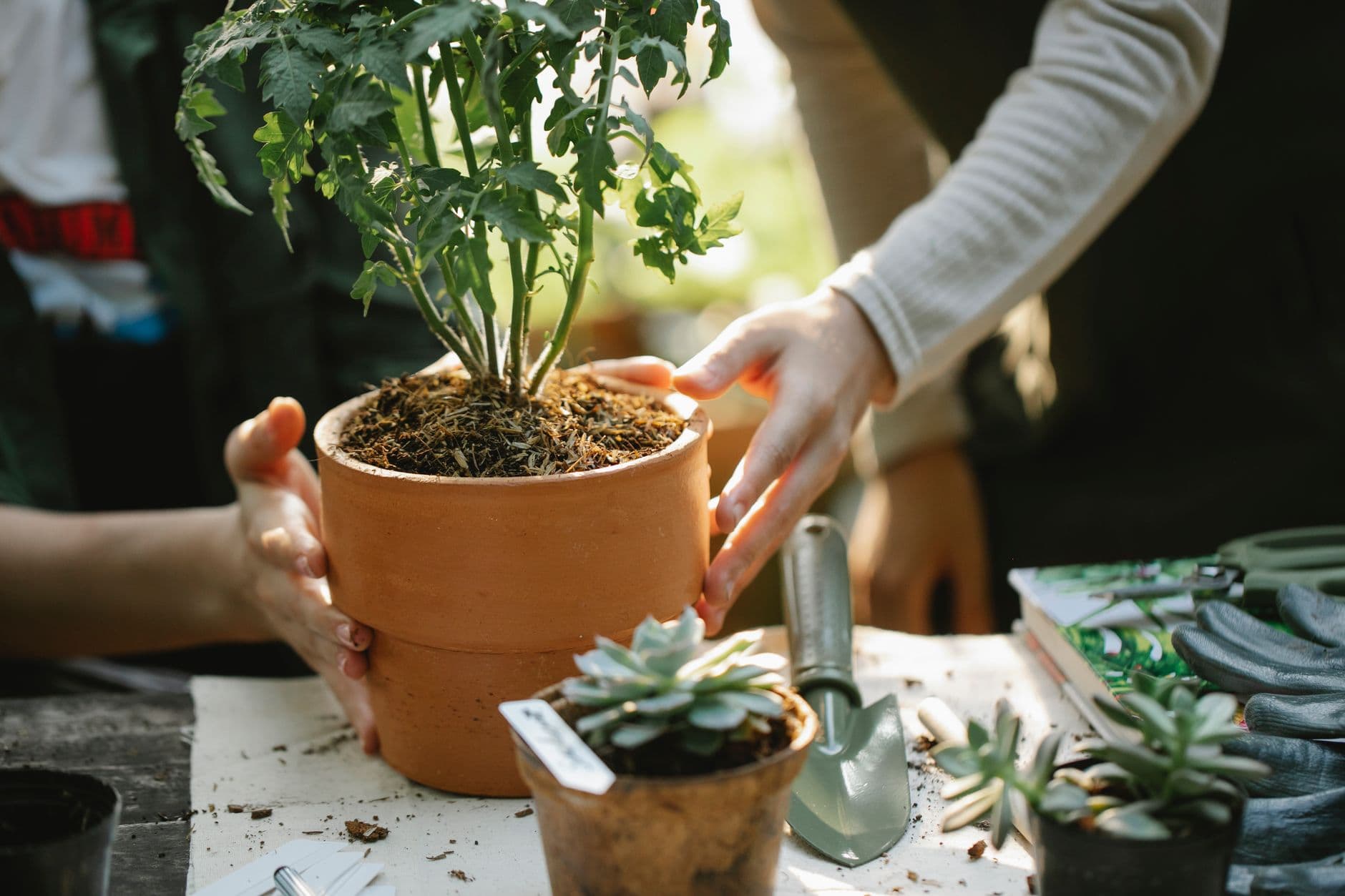
The Importance of Organic Substrate in Your Garden
Every gardener and landscape designer agrees that the beauty and vitality of a garden are directly linked to soil quality. Often, when discussing construction materials, we focus solely on sand and concrete aggregates; however, in the process of garden maintenance and landscaping, organic substrate (peat) is the fundamental component that creates the essential environment for plant growth.
What Is Organic Substrate and Why Does Your Garden Need It?
Organic substrate is a fertile soil mixture that provides the plant root system with the optimal balance of oxygen, water, and nutrients. At Geotime, we often see that people overlook soil composition when planning a garden, which ultimately leads to plants wilting.
Using substrate offers the following benefits:
- Moisture Regulation: It retains water and slowly supplies it to the plant, which is especially important during hot summer periods.
- Root System Aeration: The loose structure of the substrate promotes air circulation, which protects the roots from rot.
- Nutrient Supply: Organic substances constantly nourish the plant, reducing the need for chemical fertilizers.
Ideas for Transforming Your Garden
If you want your garden to stand out from your neighbors, use organic substrate creatively:
1. Vertical and Container Gardening
If your yard is small, vertical gardens or potted arrangements are the best solution. Here, the substrate plays a crucial role because, in a limited space, a plant will quickly exhaust its resources. High-quality substrate provides a constant source of nourishment.
2. Arranging Flowerbeds
The vibrancy of flowers depends directly on how correctly the soil is prepared. Mixing substrate with soil will improve its structure. Add a small amount of perlite to prevent the soil from compacting and to allow roots to develop freely.
3. Planting a New Lawn
For a lawn foundation, soil alone is not enough. Soil enriched with substrate ensures rapid grass growth and even coverage. Make sure the base layer is planned correctly so that water does not pool during irrigation.
Professional Advice from Geotime
When planning a garden, a complex approach is important. In addition to the substrate, consider other materials:
- Pumice: If the soil is too heavy and clay-like, adding pumice will improve drainage.
- Sand: Useful for the drainage layer to avoid root rot.
Remember that quality material is 50% of a successful garden. When planting, do not spare effort in preparing the soil. The Geotime team is ready to provide all the materials you need to arrange your green space, be it substrate, sand, or other aggregates.
Conclusion
Organic substrate is not just "dirt." It is a living environment that gives your garden the ability to be green, lush, and healthy all year round. Start planning today and ensure your plants receive the best nutrition they deserve.